
Meta has agreed to a surprising 18 billion dollar settlement to resolve claims that Facebook and Instagram harmed children, ending a legal battle with 29 US states before it could spiral into a courtroom drama. While the case was technically centered on the Children’s Online Privacy Protection Act and the illegal gathering of data from users under 13, it functioned more as a broader indictment of the company’s safety record. By settling now, Meta avoided the risk of astronomical fines that some analysts feared could have reached hundreds of billions of dollars had the company lost at trial.
The proceedings were particularly bruising for Meta, featuring testimony from whistleblower Arturo Bejar, a former Instagram engineer who claimed leadership ignored warnings about harm coming to children on the platform. Internal memos further suggested that the company was aware that safety tools were rarely used when they were not turned on by default, and one executive struggled to explain a slide deck implying that paying fines was sometimes preferable to making systemic changes. Despite these revelations, Meta is not admitting any wrongdoing as part of the agreement.
As part of the deal, Meta will implement several new restrictions for its youngest users, including a default two hour daily time limit and muted notifications during school hours and late at night. Likes will also be hidden from teens to reduce social pressure. While these changes are currently focused on the US market, it is likely they will spread globally as other nations push for similar protections. The company has argued that these measures will only be truly effective if competitors like TikTok and Snapchat adopt them as well.
This settlement may signal a wider reckoning for the entire social media industry as 2026 approaches. There is a growing tension between the data-driven business models of tech giants and the urgent need for child safety. As platforms become more regulated and their features are toned down to protect minors, some wonder if the era of addictive doomscrolling is finally nearing its end. For critics like Bejar, however, the true test will be whether these new tools actually produce results or if they are simply another set of gestures designed to avoid deeper accountability.
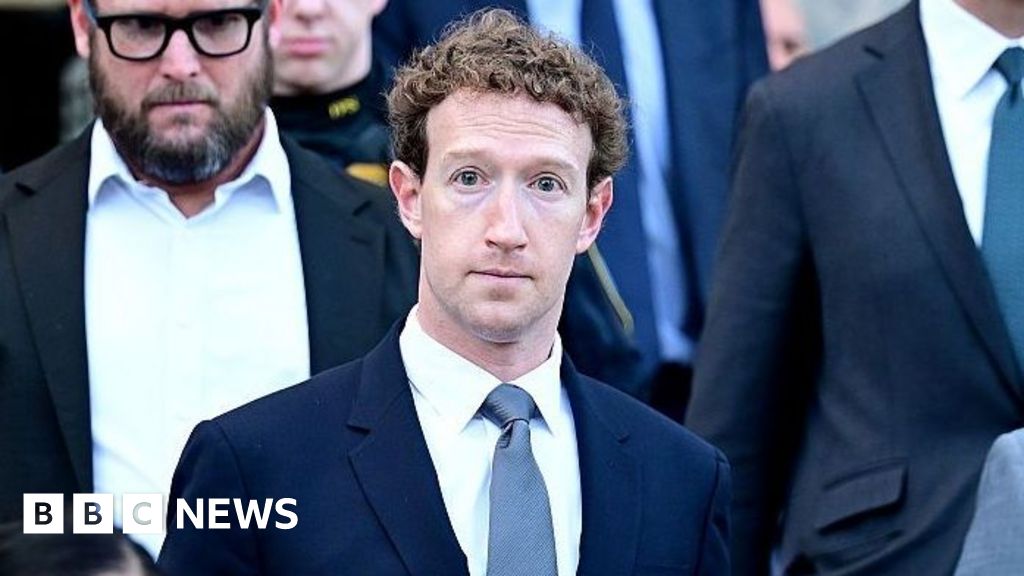
Meta’s $18bn settlement may hasten reckoning for social media on child safety
 By admin
0 view
By admin
0 view