
Financial disclosure filings reveal that President Trump has continued to buy and sell stocks in oil and natural gas companies even as he manages the ongoing conflict with Iran. According to data from the Office of Government Ethics, these transactions involve hundreds of thousands of dollars throughout the first half of 2026. While the energy sector saw a surge in value during periods of heightened tension and military operations, Democrats on the Joint Economic Committee estimate that the president’s holdings in this sector grew significantly, potentially reaching as high as 61 million dollars by mid-August.
One particular transaction has drawn scrutiny due to its timing. On April 7, the same day the president announced a ceasefire in the war with Iran, his investment accounts sold between 500,000 and one million dollars worth of ExxonMobil stock. The company’s share price dropped more than six percent the following morning. Beyond this single event, records show frequent activity involving other industry giants like Chevron and ConocoPhillips. This level of market engagement marks a sharp departure from recent predecessors like Barack Obama or Joe Biden, who avoided individual stocks in favor of diversified funds or treasury notes.
The White House has pushed back against suggestions of impropriety, stating that the president is entirely removed from these decisions. Spokesman Davis Ingle explained that the portfolio is handled by independent third party managers using computer based models designed to replicate major indexes. Some financial experts agree with this assessment, suggesting that the high volume of trades may simply be an automated strategy known as tax loss harvesting used to lower tax bills for wealthy clients across many different portfolios.
Despite those explanations, ethics watchdogs argue that the optics remain problematic regardless of who clicked the button to execute the trades. Donald Sherman of Citizens for Responsibility and Ethics in Washington noted that it is unacceptable for a sitting president to profit from global instability that drives up energy prices for ordinary Americans. Because Mr. Trump has declined to move his assets into a blind trust, critics insist he remains vulnerable to conflicts of interest where his personal wealth fluctuates based on geopolitical crises he helps oversee.
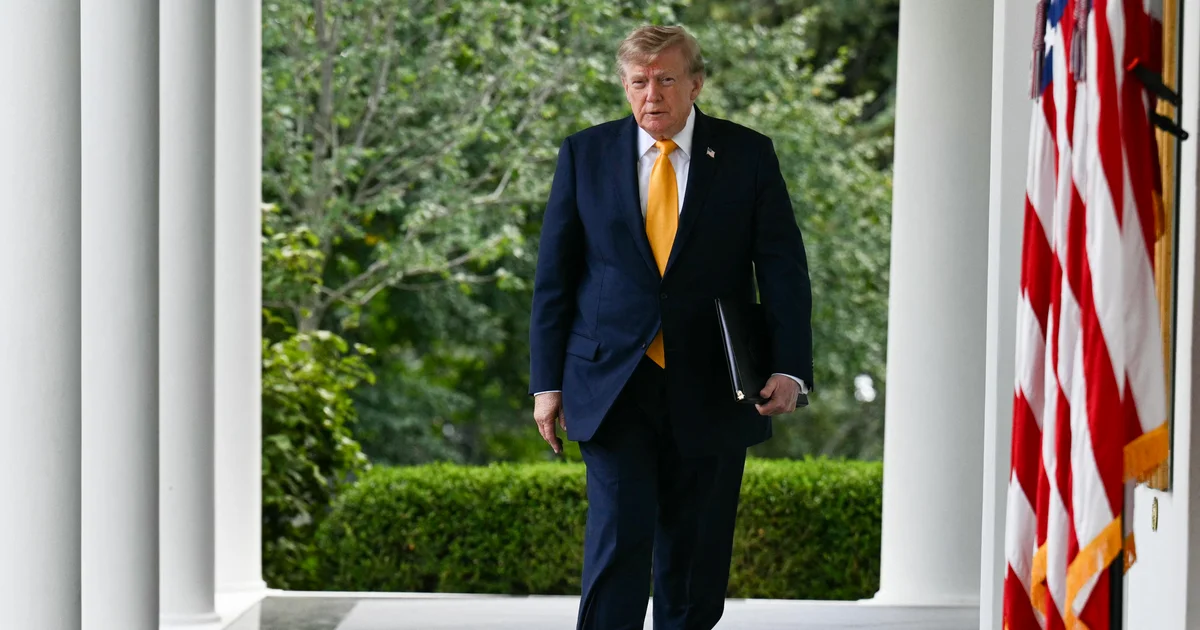
Trump’s oil and gas stock trades continued during Iran war, filings show
 By admin
1 view
By admin
1 view