
The Federal Aviation Administration has hit the brakes on its rollout of new networking hardware following a catastrophic technical failure that paralyzed American skies last Friday. A single overloaded router installed in southern Arkansas reportedly overwhelmed critical systems used for radar and air traffic control data, triggering a rare nationwide ground stop. For more than four hours, tens of thousands of flights were held on the tarmac, marking the most significant disruption to U.S. flight departures since the September 11 attacks.
The incident occurred during a broader effort managed by L3Harris Technologies to modernize the aviation communications network by replacing legacy copper wiring with high speed fiber optics. While officials have been quick to dismiss theories regarding a cyberattack or the influence of artificial intelligence, they admit they are still searching for the root cause of why one piece of equipment could trigger such a systemic collapse. The FBI has joined the investigation to help determine how a localized hardware issue bypassed redundancies meant to prevent widespread outages.
Lawmakers are now demanding answers, with Democratic members of the Senate Committee on Commerce, Science, and Transportation questioning whether modernization efforts are being prioritized over basic operational safety. Senators have requested urgent briefings from both L3Harris and Juniper Networks, the manufacturer of the devices, to understand why the system lacked the necessary safeguards to isolate the fault. There is growing concern in Washington that rushing into tech upgrades without rigorous testing may create new vulnerabilities in an already strained infrastructure.
Amidst this turmoil, Transportation Secretary Sean Duffy has urged Congress to approve fifty billion dollars in funding to overhaul the nation’s aging air traffic control system. However, his request has met resistance from some legislators who point toward billions in unspent funds from previous appropriations. Senator Ted Cruz suggested that while modernization is essential, any future spending must be strictly earmarked for safety enhancements rather than general upgrades, reflecting a tense political climate where efficiency and security remain at odds.
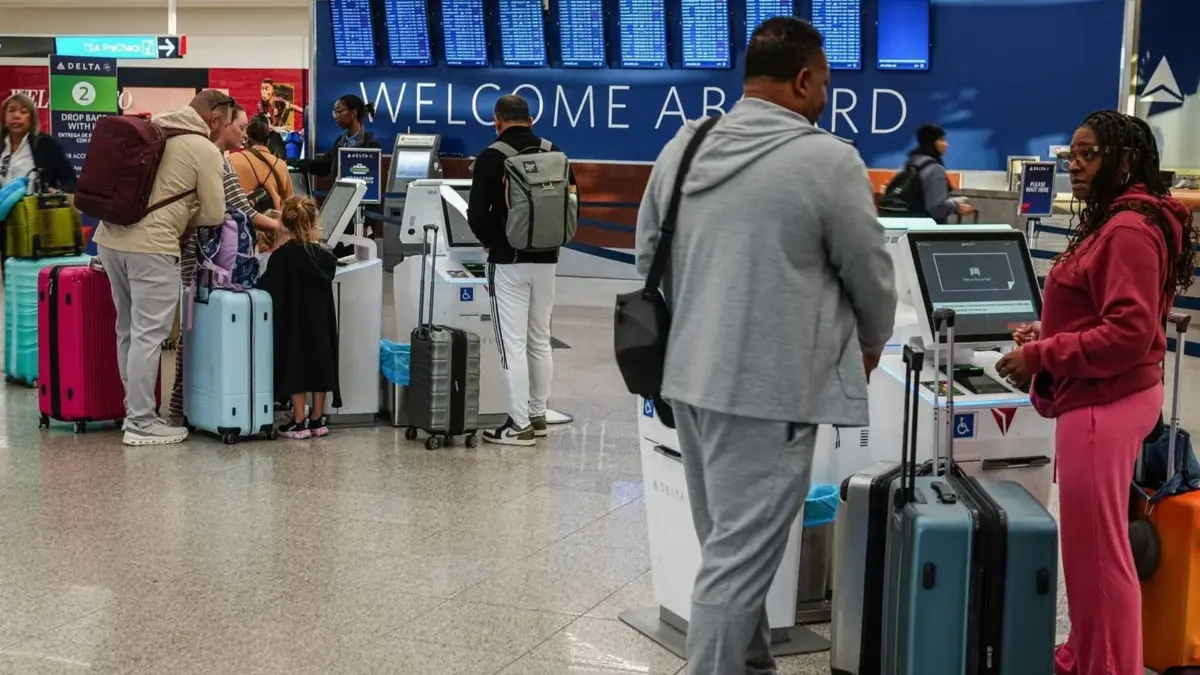
Tech Glitch Sparks Nationwide Flight Chaos and Freeze on Hardware Upgrades
 By admin
9 views
